The Effects of Immediate Postpartum Maternal Skin-to-Skin Contact with Newborn on Breastfeeding Efficiency and Onset of Lactation
Keywords:
: Maternal Skin-to-Skin Contact, Breastfeeding Efficiency, Onset of Lactation, BreastfeedingAbstract
This comparative study, using both retrospective and prospective uncontrolled before-and-after designs, aimed to examine the effects of immediate postpartum maternal skin-to-skin contact with newborn on breastfeeding efficiency and the onset of lactation. The sample consisted of 64 pairs of mothers with normal deliveries and their full-term newborns at Charan Sanitwong Hospital's delivery room. The retrospective group (32 pairs) received routine nursing care, while the prospective group (32 pairs) received the intervention of immediate maternal skin-to-skin contact after birth. Data were collected using a lactation onset assessment tool (content validity index = 0.80; inter-rater reliability = 0.81) and the LATCH score for breastfeeding efficiency (inter-rater reliability = 0.80). Data were analyzed using descriptive statistics, independent t-test, and Mann-Whitney U test. The results were as follows.
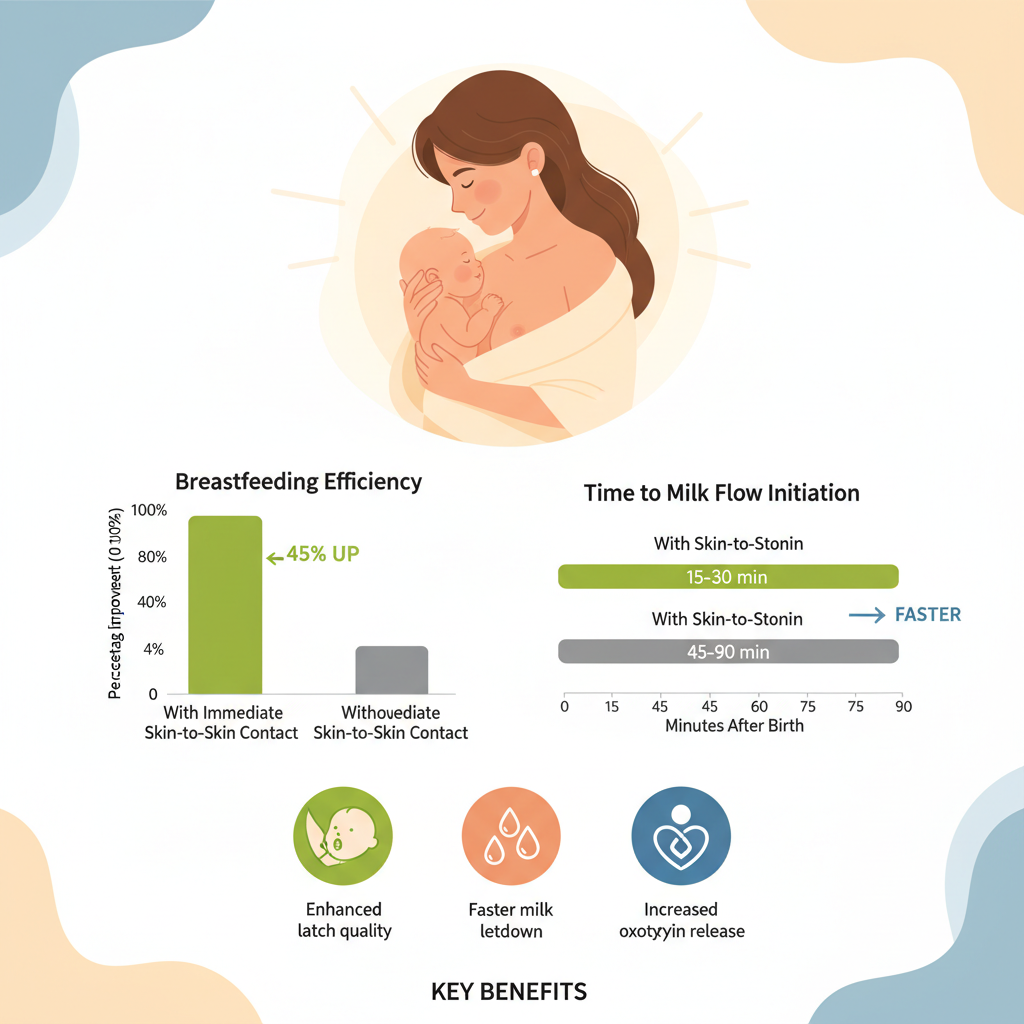
1. The breastfeeding efficiency score (LATCH) in the skin-to-skin group (Median = 9, IQR = 1) was significantly higher (Median = 8, IQR = 2) than in the routine care group, at the .05 level, with a moderate effect size (r = 0.44).
2. The mean onset of lactation in the skin-to-skin group (M = 25.53, SD = 10.23) was significantly shorter (M = 33.97, SD = 16.03) than in the routine care group, at the .05 level, with a moderate effect size (Cohen’s d = 0.627, 95% CI = 0.122–1.127).
These results suggest that midwives in delivery rooms should implement immediate maternal skin-to-skin contact for all mothers with normal deliveries to enhance breastfeeding efficiency and shorten the time to lactation onset, thereby promoting successful breastfeeding.
References
กนกวรรณ โคตรสังข์, ศิริวรรณ แสงอินทร์, และอุษา เชื้อหอม. (2559). ผลของโปรแกรมการกระตุ้นการหลั่งน้ำนมต่อระยะเวลาการเริ่มไหลของน้ำนม ระยะเวลาการมาของน้ำนมเต็มเต้า และการรับรู้ความสามารถในการเลี้ยงลูกด้วย นมแม่ในมารดาหลังผ่าตัดคลอดบุตรทางหน้าท้อง. วารสารคณะพยาบาลศาสตร์ มหาวิทยาลัยบูรพา, 24(1), 13-26. https://he02.tci-thaijo.org/index.php/Nubuu/article/view/87573/69144
กรกนก เกื้อสกุล, นิตยา สินสุกใส, วรรณา พาหุวัฒนกร, และวิทยา ถิฐาพันธ์. (2562). ผลของการสัมผัสแบบเนื้อแนบเนื้อระหว่างมารดาและทารก ภายหลังคลอดโดยเร็ว ต่อประสิทธิภาพการดูดนมของทารกและ การเลี้ยงลูกด้วยนมแม่อย่างเดียวนานหนึ่งเดือน. Nursing Science Journal of Thailand, 37(4), 66-78. file:///C:/Users/NMU/Downloads/thitiwatchara,+%23%23default.groups.name.editor%23%23,+Kornkanok+-+Final%20(2).pdf
กัญญาภัค ปลื้มใจ, ศศิกานต์ กาละ, และสุรีย์พร กฤษเจริญ. (2565). ผลของโปรแกรมส่งเสริมการสร้างน้ำนมร่วมกับฟังดนตรีต่อการไหลของน้ำนม และระยะเวลาน้ำนมเต็มเต้าของมารดาหลังผ่าตัดคลอดทางหน้าท้อง. วารสารการพยาบาลและการศึกษา, 15(2), 55-72. https://he01.tci-thaijo.org/index.php/JNAE/article/view/254527/55-75
ชุติมาพร ไตรนภากุล, มณฑา ไชยะวัฒน, วิวัฒน คณาวิฑูรย์, รัชกร เทียมเท่าเกิด, สุวรรณี นาคะ, วิมล มิตรนิโยดม, และคณะ. (2553). ผลของการไหลของน้ำนมในหญิงหลังคลอด ที่ถูกนวดประคบเต้านมด้วยกระเป๋าน้ำร้อนและลูกประคบสมุนไพร. วารสารการพยาบาลและการศึกษา, 3(3), 75-91. https://he01.tci-thaijo.org/index.php/JNAE/article/view/1843/1542
นิรัตน์ชฎา ไชยงาม, ฉวีวรรณ อยู่สำราญ, และวรรณา พาหุวัฒนกร. (2562). ปัจจัยทำนายการเริ่มหลั่งน้ำนมในมารดาที่เลี้ยงลูกด้วยนมแม่. วารสารการพยาบาลและการดูแลสุขภาพ, 37(1), 52-59. https://he01.tci-thaijo.org/index.php/jnat-ned/article/view/181723/128766
ปิยภรณ์ ปัญญาวชิร และยิ่งขวัญ อยู่รัตน์. (2559). ผลของการให้แม่โอบกอดลูกแบบเนื้อแนบเนื้อ ต่ออุณหภูมิร่างกายและความอิ่มตัวออกซิเจนของทารกแรกเกิดครบกำหนดในห้องคลอด โรงพยาบาลรามาธิบดี. วารสารสาธารณสุขศาสตร์, 46(1), 82-94. https://he02.tci-thaijo.org/index.php/jph/article/view/58074/48006
มารียา มะแซ. (2561). ผลของโปรแกรมการนวดเต้านมด้วยตนเองต่อการไหลของนานมในมารดาครรภ์แรก (วิทยานิพนธ์พยาบาลศาสตรมหาบัณฑิต). มหาวิทยาลัยสงขลานครินทร์. https://kb.psu.ac.th/server/api/core/bitstreams/8695ccd6-293e-494e-926b-b74e9b787fd1/content
วีณา จีระแพทย์ และเกรียงศักดิ์ จีระแพทย์. (2563). กลวิธีสู่ความสำเร็จในการเลี้ยงลูกด้วยนมแม่. กรุงเทพมหานคร: ธรรมดาเพรส.
โรงพยาบาลเจริญกรุงประชารักษ์, งานเวชสถิติ. (2566). รายงานประจำปี 2566. กรุงเทพมหานคร.
ศุภวิทย์ มุตตามระ, กุสุมา ชูศิลป์, อุมาพร สุทัศน์วรวุฒิ, วราภรณ์ แสงทวีสิน, และยุพยง แห่งเชาวนิช. (2555). ตำราการเลี้ยงลูกด้วยนมแม่. นนทบุรี: ไอยรา.
สำนักงานสถิติแห่งชาติ ประเทศไทย. (2566). รายงานฉบับสมบูรณ์ การสำรวจสถานการณ์เด็กและสตรีในประเทศไทย พ.ศ. 2565. สืบค้นเมื่อ 1 มิถุนายน 2567 จาก https://www.unicef.org/thailand/media/11361/file/Thailand%20MICS%202022%20full%20report%20(Thai).pdf
Aghdas, K., Talat, K., & Sepideh, B. (2014). Effect of immediate and continuous mother–infant skin-to-skin contact on breastfeeding self-efficacy of primiparous women: A randomised control trial. Women and Birth, 27(1), 37–40. doi.org/10.1016/j.wombi.2013.09.004
Brownell, E., Howard, C.R., Lawrence, R. A., & Dozier, A. M. (2012). Delayed onset lactogenesis II predicts the cessation of any or exclusive breastfeeding. The journal of pediatrics, 161(4), 608-614.
Cohen, J. (1977). Statistical Power Analysis for the Behavioral Sciences (Rev. ed.). New York, NY: Academic Press.
Jensen, D., Wallace, S., & Kelsey, P. (1994). LATCH: A breastfeeding charting system and documentation tool. J Obstet Gynecol Neonatal Nurs, 23(1), 27-32. doi: 10.1111/j.1552-6909.1994.tb01847.x. PMID: 8176525.
Karimi, F. Z., Miri, H. H., Khadivzadeh, T., & Maleki-Saghooni, N. (2020). The effect of mother-infant skin-to-skin contact immediately after birth on exclusive breastfeeding: a systematic review and meta-analysis. Journal of the Turkish-German Gynecological Association, 21(1), 46–56. doi.org/10.4274/jtgga.galenos.2019.2018.0138
Polit, D. F., & Beck, C. T. (2012). Nursing Research: Generating and Assessing Evidence for Nursing Practice. (9thed.). Philadelphia: Wolters Kluwer/Lippincott Williams & Wilkins.
Widstrom, A. M., Brimdyr, K., Svensson, K., Cadwell, K., & Nissen, E. (2019). Skin-to -skin contact the first Hour after birth, underlying implications and clinical practice. Acta Paediatrica, 108, 1192-1204. doi: 10.1111/apa.14754.
World Health Organization. (2009). Baby-friendly Hospital Initiative: Revised, Updated and Expanded for Integrated Care. Retrieved March 23, 2026, from https://www.who.int/publications/i/item/9789241594950
World Health Organization. (2018). Breastfeeding. Retrieved June 1, 2024, from https://www.who.int/health-topics/breastfeeding#tab=tab_3
Downloads
Published
Issue
Section
License
Copyright (c) 2026 The Southern College Network Journal of Nursing and Public Health

This work is licensed under a Creative Commons Attribution-NonCommercial-NoDerivatives 4.0 International License.
1. บทความหรือข้อคิดเห็นใด ๆ ที่ปรากฏในวารสารเครือข่าย วิทยาลัยพยาบาลและการสาธารณสุขภาคใต้ ที่เป็นวรรณกรรมของผู้เขียน บรรณาธิการหรือเครือข่ายวิทยาลัยพยาบาลและวิทยาลัยการสาธารณสุขภาคใต้ ไม่จำเป็นต้องเห็นด้วย
2. บทความที่ได้รับการตีพิมพ์ถือเป็นลิขสิทธิ์ของ วารสารเครือข่ายวิทยาลัยพยาบาลและการสาธารณสุขภาคใต้