การพัฒนาโปรแกรมคอมพิวเตอร์ประเมินภาวะพร่องทางปัญญาขั้นต้น โดยใช้พหุกิจกรรมในผู้สูงอายุไทย
คำสำคัญ:
โปรแกรมคอมพิวเตอร์, ภาวะพร่องทางปัญญาขั้นต้น, พหุกิจกรรม, ผู้สูงอายุไทยบทคัดย่อ
การวิจัยและพัฒนานี้มีวัตถุประสงค์เพื่อพัฒนาโปรแกรมคอมพิวเตอร์ประเมินภาวะพร่องทางปัญญาขั้นต้นแบบพหุกิจกรรมสำหรับผู้สูงอายุไทย กลุ่มตัวอย่างเป็นอาสาสมัครผู้สูงอายุในสถานสงเคราะห์คนชราบ้านศรีตรัง อำเภอเมือง จังหวัดตรัง ใช้วิธีการเลือกแบบเฉพาะเจาะจง จำนวน 30 คน โดยมีคุณสมบัติคือ อายุ 60-80ปี อ่านออก การได้ยินและการมองเห็นปกติ ถนัดมือขวาและไม่มีภาวะซึมเศร้า เครื่องมือที่ใช้ในการวิจัยได้แก่ เครื่องมือที่ใช้ในการเก็บรวบรวมข้อมูล คือ แบบบันทึกข้อมูลส่วนบุคคล แบบวัดภาวะซึมเศร้าในผู้สูงอายุไทย แบบทดสอบสภาพสมองเบื้องต้นฉบับ และแบบประเมินพุทธิปัญญา เครื่องมือที่ใช้ในการทดลองคือ โปรแกรมคอมพิวเตอร์ประเมินภาวะพร่องทางปัญญาแบบพหุกิจกรรม เครื่องมือได้รับการตรวจสอบความตรงเชิงเนื้อหา โดยผู้ทรงคุณวุฒิ 5 ท่าน พร้อมทำการวิเคราะห์เพื่อหาคุณภาพเครื่องมือ ด้วยการทดสอบความตรงเชิงเนื้อหา ความเที่ยงและสถิติทดสอบความแตกต่างกัน และคำนวณขนาดอิทธิพลของความแตกต่าง ผลการวิจัยพบว่า
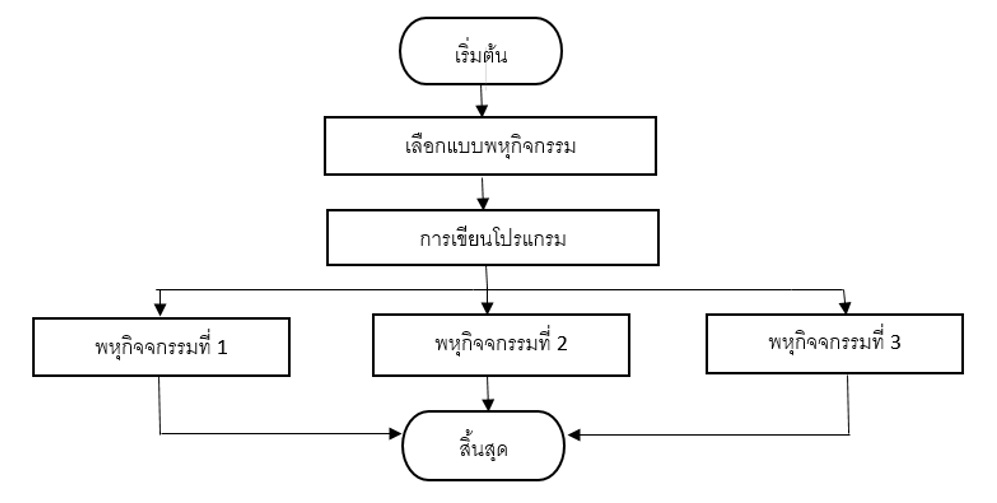
โปรแกรมคอมพิวเตอร์ประเมินภาวะพร่องทางปัญญาขั้นต้นแบบพหุกิจกรรม ประกอบด้วย 3 กิจกรรม คือ กิจกรรมสตรูปภาพและเสียง กิจกรรมเรียกคืนความจำภาพ และกิจกรรมเรียกคืนความจำเสียงไปศึกษานำร่อง พบว่าการเปรียบเทียบสัดส่วนค่าคะแนนความถูกต้องและระยะเวลาตอบสนอง มีความแตกต่างกันทั้ง 3 กลุ่ม อย่างมีนัยสำคัญทางสถิติที่ .05 ผลการตรวจสอบคุณภาพความตรงเชิงเนื้อหา ค่าดัชนีความตรงเชิงเนื้อหารายข้อ มีค่ามากกว่า .78 ทุกข้อ ทั้งภาพสถานที่และเสียงสถานที่และค่าดัชนีความตรงเชิงเนื้อหาทั้งฉบับ เท่ากับ .91 และผลการตรวจสอบคุณภาพความเที่ยง เพื่อประเมินความเป็นไปได้ในการนำไปใช้งานจริงของโปรแกรมคอมพิวเตอร์ประเมินภาวะพร่องทางปัญญาแบบพหุกิจกรรม ได้ค่าความเที่ยงแบบครอนบาชอัลฟ่า เท่ากับ .92
แสดงว่าโปรแกรมคอมพิวเตอร์ประเมินภาวะพร่องทางปัญญาขั้นต้นแบบพหุกิจกรรม สามารถนำไปใช้ประเมินเพื่อจำแนกภาวะพร่องทางปัญญาในผู้สูงอายุได้
เอกสารอ้างอิง
Ahman, H. B., Cedervall, Y., & Kilander, L. (2020). Dual-Task Tests Discriminate Between Dementia, Mild Cognitive Impairment, Subjective Cognitive Impairment, and Healthy Controls-a Cross-Sectional Cohort Study. BMC Geriatr 20, 258.
Alix, L. D., Petra, C. S., Jan, B. F., & Anne, M. B. (2017). Effects of Aging in Multisensory Integration: A Systematic Review. Frontiers in Aging Neuroscience, 9, 80.
American Psychiatric Association. (2013). Diagnostic and Statistical Manual of Mental Disorders (DSM-5®). American Psychiatric Pub.
Anstey, K. J., Cherbuin, N., Christensen, H., Burns, R., Reglade-Meslin, C., Salim, A., & Sachdev, P. (2008). Follow-Up of Mild Cognitive Impairment and Related Disorders Over Four Years in Adults in Their Sixties: The PATH Through Life Study. Dementia and Geriatric Cognitive Psychiatry, 16, 1092-1097.
Cabeza, R., Daselaar, S. M., Dolcos, F., Prince, S. E., Budde, M., & Nyberg, L. (2004). Task-Independent and Task-Specific Age Effects on Brain Activity During Working Memory, Visual Attention and Episodic Retrieval. Cereb Cortex, 14,364–375.
Department of Older Persons. (2017). Trends, Causes and Consequences of the Aging of the Population. Retrieved on November 21, 2019, from http://www.dop.go.th/th (in Thai)
Eakplakorn, W. (2017). The 5th Thai Health Survey by Physical Examination 2014. Health Systems Research Institute. (in Thai)
Fauzan, N., & Amran, N. H. (2015). Brain Dynamics of Mild Cognitive Impairment (MCI) from EEG Features. Procedia-Social and Behavioral Sciences, 165, 284-290.
Frings, C., Englert, J., Wentura, D., & Bermeitinger, C. (2010). Decomposing the Emotional Stroop Effect. The Quarterly Journal of Experimental Psychology, 63(1), 42-49.
Gauthier, S., Reisberg, B., Zaudig, M., Petersen, R. C., Ritchie, K., Broich K., et al. (2006). Mild cognitive impairment. Lancet, 367, 1262–1270.
Handels, R. L., Vos, S. J., Kramberger, M. G., Jelic, V., Blennow, K., Van Buchem, M., & Oleksik, A. (2017). Predicting Progression to Dementia in Persons with Mild Cognitive Impairment Using Cerebrospinal Fluid Markers. Alzheimer's & Dementia: The Journal of the Alzheimer's Association, 13(8), 903-912.
Hemrungrojn, S. (2011). Montreal Cognitive Assessment (MOCA). Retrieved from http://www.mocatest.org/pdf_files/test/MoCA-Test-Thai.pdf
Jinlong, W., Jaijai, Y., Yinghua, Y., Naoya, N., Yong, S., Ohta, Y., Shenghuan, Y., & Koji, A. (2012). Delayed Audiovisual Integration of Patients with Mild Cognitive Impairment and Alzheimer's Disease Compared with Normal Aged Controls.
Murray, M. M., Eardley, A. F., Edginton, T., Oyekan, R., Smyth, E., & Matusz, P. J. (2018). Sensory Dominance and Multisensory Integration as Screening Tools in Aging. Scientific Reports, 8(1), 8901.
Palmer, K., Backman, L., Winblad, B., & Fratiglioni, L. (2008). Mild Cognitive Impairment in The General Population: Occurrence and Progression to Alzheimer Disease. American Journal of Geriatric Psychiatry, 16, 603-611.
Papadaniil, C. D., Kosmidou, V. E., Tsolaki, A., Tsolaki, M., Kompatsiaris, I. Y., Gozke, E., Tomrukcu, S., & Erdal, N. (2016). Visual Event-Related Potentials in Patients with Mild Cognitive Impairment. International Journal of Gerontology, 10(4), 190-192.
Petersen, R. C. (2004). Mild Cognitive Impairment as a Diagnostic Entity. Journal of Internal Medicine, 256(3), 183-194.
ดาวน์โหลด
เผยแพร่แล้ว
ฉบับ
ประเภทบทความ
สัญญาอนุญาต
ลิขสิทธิ์ (c) 2022 วารสารเครือข่ายวิทยาลัยพยาบาลและการสาธารณสุขภาคใต้

อนุญาตภายใต้เงื่อนไข Creative Commons Attribution-NonCommercial-NoDerivatives 4.0 International License.
1. บทความหรือข้อคิดเห็นใด ๆ ที่ปรากฏในวารสารเครือข่าย วิทยาลัยพยาบาลและการสาธารณสุขภาคใต้ ที่เป็นวรรณกรรมของผู้เขียน บรรณาธิการหรือเครือข่ายวิทยาลัยพยาบาลและวิทยาลัยการสาธารณสุขภาคใต้ ไม่จำเป็นต้องเห็นด้วย
2. บทความที่ได้รับการตีพิมพ์ถือเป็นลิขสิทธิ์ของ วารสารเครือข่ายวิทยาลัยพยาบาลและการสาธารณสุขภาคใต้