The Evidence-Based Approach in Health Care Management, Applied to Nursing
Keywords:
Evidence-Based Approach, Management System, ImplementationAbstract
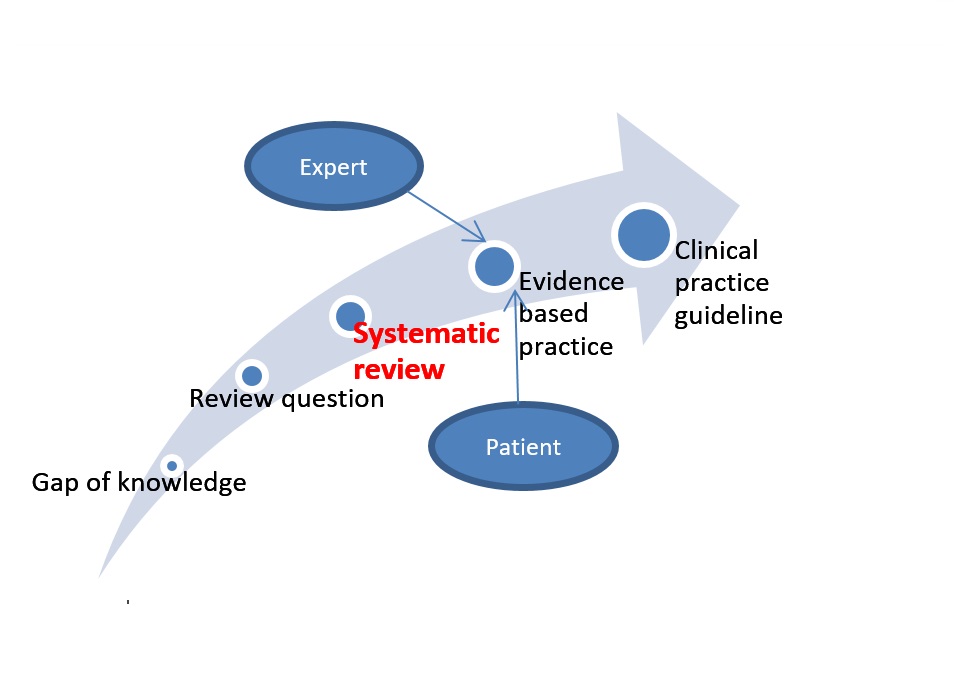
Evidence-based nursing management approach plays a crucial role for the improvement of any standard nursing care service in Thailand. The evidence-based nursing approach in management consists in collecting the best and current evidence, and then use it with data from expert’s opinion based on patients' preferences, in order to make the best possible management decision for the health care service.
The aim of this article is to explain searching method, analysis and implementation of evidence-based nursing. It includes a systematic review process, in order to assist the manager in simply conducting their own query. After gaining knowledge from the literature, the evidence is be appraised by an expert panel. Approved evidences are subsequently tested by a pilot-study prior to be implemented with patients in any hospital setting. Data collection and nursing evaluation must be constantly employed after evidence-based nursing system is implemented.
This article illustrated a simple method to encourage the managers to build up essential skills for searching evidence, and to have positive opinion about the evidence-based nursing management system.
References
Arksey, H., & O'Malley, L. (2005). Scoping Studies: Towards a Methodological Framework. International Journal of Social Research Methodology, 8(1), 19-32. doi:10.1080/1364557032000119616
Ganann, R., Ciliska, D., & Thomas, H. (2010). Expediting Systematic Reviews: Methods and Implications of Rapid Reviews. Implementation Science, 5(1), 56-56. doi: 10.1186/1748-5908-5-56
Julawong, O., Munsil, J., & Taweewanich, S. (2018). Application of Evidence-Based Practice in Nursing Professions. Journal of Royal Thai Army Nurses, 19(2), Available from: https://he01.tci-thaijo.org/index.php/JRTAN/article/view/143885
Kanhadilok, S., Punsumreung, T., & Malai, C. (2017), Evidence Based Teaching Strategies in Nursing, Journal of Nursing and Health Care, 35(4), 34-41
Khammathit, A., & Makrat, M. (2017). Using the Systematic Review to Provide a Complete Summary on a Research Question in Evidence Based Practice : A 3 Step Method. The Southern College Network Journal of Nursing and Public Health, 3(3), 249-259.
Moher, D., Liberati, A., Tetzlaff, J., & Altman, D. G. (2009). Preferred Reporting Items for Systematic Reviews and Meta Analyses: The PRISMA Statement. PLoS Med 6(7), e1000097. doi:10.1371/journal.pmed1000097
Picheansathian, W. (2018). Searching the Evidence: Essential Skill for Nurse in Thailand 4.0. The Journal of Nursing and Midwifery Practice, 5(1), 136-148.
Puttaruksa, L., Subgranon, R., & Othaganont, P. (2016). Factors Leading to Success in the Implementation of Evidence Based Nursing Practice of Professional Nurses. The Journal of Faculty of Nursing Burapha University, 24(3), 94-103.
Thanakwang, K. (2010). Meta-Analysis: Concepts and Application to Nursing Research. Thai Journal of Nursing Council, 25(4), 10-22.
The Joanna Briggs Institute. (2021). The Critical Appraisal Tool. Retrieved on 5 January 2021. from https://jbi.global/critical-appraisal-tools
Tonsuwon, K., Suwonnaroop, N., & Watthayu, N. (2019), Perceived Barriers to Implementing Evidence, Attitudes, and Research Experiences Toward Evidence-Based Nursing Practice among Professional Nurses in Health Promoting Hospital, The Journal of Boromarajonani College of Nursing, Nakhonratchasima, 25(2), 25-40.
Downloads
Published
Issue
Section
License
1. บทความหรือข้อคิดเห็นใด ๆ ที่ปรากฏในวารสารเครือข่าย วิทยาลัยพยาบาลและการสาธารณสุขภาคใต้ ที่เป็นวรรณกรรมของผู้เขียน บรรณาธิการหรือเครือข่ายวิทยาลัยพยาบาลและวิทยาลัยการสาธารณสุขภาคใต้ ไม่จำเป็นต้องเห็นด้วย
2. บทความที่ได้รับการตีพิมพ์ถือเป็นลิขสิทธิ์ของ วารสารเครือข่ายวิทยาลัยพยาบาลและการสาธารณสุขภาคใต้