
The Effects of Using a Neonatal Early Warning Assessment Tool on Nurses’ Knowledge, Satisfaction, and the Incidence of Critical Conditions in Newborns in the Neonatal Unit of Surin Hospital
Keywords:
neonatal critical warning signs assessment, neonatal critical conditions, newbornAbstract
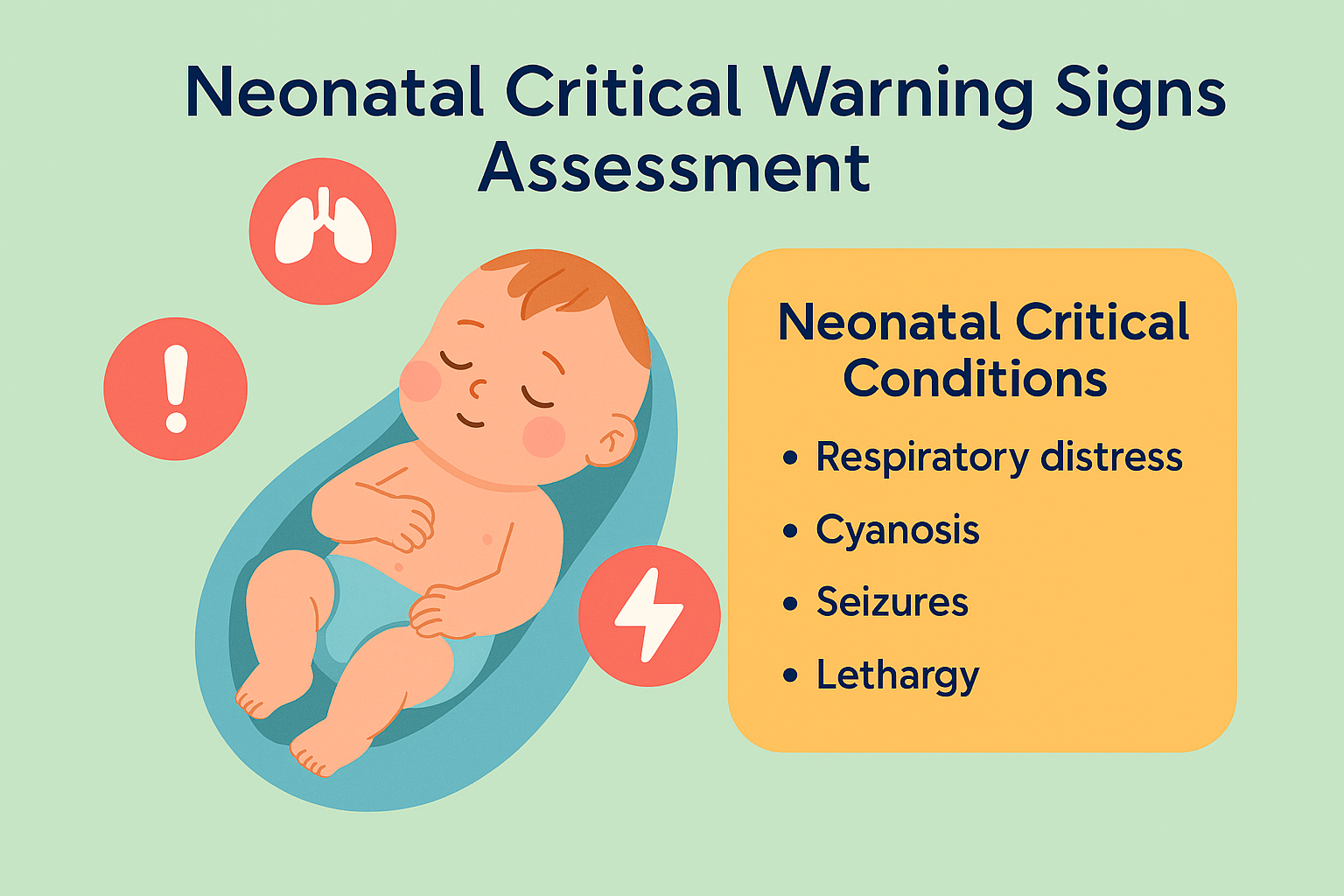
Assessing critical conditions in newborns demands both expertise and effective evaluation tools. This study aimed to explore the development and outcomes of implementing a neonatal critical warning signs assessment tool in the neonatal ward at Surin Hospital. The action research was conducted in four phases: planning, implementation, observation and follow-up, and reflection. The sample consisted of two groups: 15 professional nurses in the neonatal ward and 70 newborn patients, which included preterm infants (less than 37 weeks gestation, treated for no more than 60 days) and term infants (37 weeks gestation or older, no more than 28 days old). These were equally divided into control and experimental groups, with 35 in each. The research instruments comprised a personal data record form, the NEWS assessment tool, a knowledge questionnaire on using the NEWS tool, a nurse satisfaction questionnaire, and a critical event recording form. Content validity was confirmed with IOC values of 0.86, 0.99, 0.92, 1.00, and 0.99, respectively. Reliability was evaluated using KR-20 for the knowledge questionnaire (0.95) and Cronbach's alpha for the satisfaction questionnaire (0.92). Data analysis included frequency, percentage, mean, standard deviation, the Wilcoxon signed ranks test, and Fisher's Exact test.
Results: The NEWS version 2 assessment comprises eight components: 1) temperature; 2) respiration; 3) heart rate; 4) respiratory symptoms; 5) blood pressure; 6) oxygen saturation; 7) nervous system; and 8) other clinical symptoms, including breathing patterns, abdominal distension, mottled skin, regurgitation, and bloody stools. After implementing this assessment, nurses exhibited significantly higher knowledge scores compared to their baseline, with a statistical significance level of p < .01. Satisfaction with the assessment tool was reported at the highest level (Mean = 4.70, S.D. = 0.48). There were no recorded incidents of unplanned transfers of critically ill newborns to the ICU, resuscitation, or mortality. It is recommended that nurses be encouraged to use this assessment to enhance the efficiency of patient monitoring.
References
World Health Organization (WHO). Newborn mortality [Internet]. 2024 [cited 2025 Jan 20]. Available from: https://www.who.int/news-room/fact-sheets/detail/newborns-reducing-mortality
กองยุทธศาสตร์และแผนงาน สำนักงานปลัดกระทรวงสาธารณสุข. สถิติสาธารณสุข 2565: กระทรวงสาธารณสุข; 2565.
กลุ่มงานยุทธศาสตร์และแผนงานโครงการ โรงพยาบาลสุรินทร์. รายงานสถิติการดูแลผู้ป่วยทารกแรกเกิด ปีงบประมาณ 2564–2566. สุรินทร์: โรงพยาบาลสุรินทร์; 2566.
เอื้องดอย ตันฑพงศ์ และสุพัตรา ทาอ้อ. ผลการใช้โปรแกรมการประเมินสัญญาณเตือนภาวะวิกฤตในทารกแรกเกิด สถาบันสุขภาพเด็กแห่งชาติมหาราชินี. วารสารวิจัยสุขภาพและการพยาบาล 2564;37:76-88.
ปนัดดา บุบผามาโล, อาภาวรรณ หนูคง, สมสิริ รุ่งอมรรัตน์. ผลของการใช้แนวปฏิบัติการพยาบาลระบบสัญญาณเตือนก่อนภาวะวิกฤตต่อความรู้การปฏิบัติและการตรวจพบภาวะผิดปกติในทารกแรกเกิดกลุ่มเสี่ยงของพยาบาล. วารสารพยาบาลศาสตร์ 2566;41:79-93.
Kemmis S, McTaggart R. The Action Research Planner. Victoria: Deakin University; 1988.
Roland D, Madar J, Connolly G. The newborn early warning (NEW) system: development of an at-risk infant intervention system. Journal of Infant 2010;6:116-20.
บุญทิพย์ นิ่มสอาด. การพัฒนาแนวทางการเฝ้าระวังผู้ป่วย โดยใช้สัญญาณเตือนภาวะวิกฤตในหอผู้ป่วย ในโรงพยาบาลพระยืน จังหวัดขอนแก่น. วารสารวิจัยและพัฒนานวัตกรรมทางสุขภาพ 2563;1:173-83.
กรรณิกา ศิริแสน. ประสิทธิผลของการใช้ระบบสัญญาณเตือนในการพยาบาลผู้ป่วยในหอผู้ป่วยวิกฤตโรงพยาบาลเอกชนแห่งหนึ่งในกรุงเทพมหานคร [วิทยานิพนธ์พยาบาลศาสตรมหาบัณฑิต]. นครปฐม: มหาวิทยาลัยคริสเตียน; 2558.
พนิดา จันทรัตน์, เพ็ญแข รัตนพันธ์, ภคินี ขุนเศรษฐ์ และปรัชญานันท์ เที่ยงจรรยา. การพัฒนารูปแบบการเฝ้าระวังสัญญาณเตือนเข้าสู่ภาวะวิกฤตในผู้ป่วยที่มีความเสี่ยงสูงโรงพยาบาลสงขลา. วารสารวิชาการสาธารณสุข 2566;32:109-19.
ชลดา ฤทธิ์ วีระเดช. ผลของการใช้แนวทางการรักษามาตรฐานกับแนวทางการป้องกันและรักษาการติดเชื้อที่พัฒนาขึ้นใหม่ต่อภาวะติดเชื้อในทารกแรกเกิด. วารสารโรงพยาบาลมหาสารคาม 2562;16:23-32.
วิลาวัลย์ วงศ์วัฒนอนันต์. อุบัติการณ์ของภาวะติดเชื้อในทารกแรกเกิดลักษณะทางคลินิก และการรักษาในทารกแรกเกิดที่คลอดในโรงพยาบาลปักธงชัย. วารสารวิจัยและพัฒนาด้านสุขภาพ 2566;9:62-77.
สุชานาฎ มูสิการัตน์, ปรัชญานันท์ เที่ยงจรรยา, ศศิธร ลายเมฆ. การวิเคราะห์สถานการณ์การบริหารความเสี่ยงของ คลินิก หู คอ จมูก โรงพยาบาลสงขลานครินทร์. วารสารสุขภาพและการศึกษาพยาบาล 2565;28:1-18.
สัญญาลักษณ์ สุทธนะ และกุลภัสสร์ ลิ้มสมุทรเพชร. ผลของการใช้แนวปฏิบัติการเฝ้าระวังสัญญาณเตือนภาวะวิกฤตทารกแรกเกิดในหอผู้ป่วยบริบาลทารกแรกเกิดโรงพยาบาลแพร่. Phrae Medical Journal and Clinical Sciences 2567;32:48-58.
เกรียงศักดิ์ จีระแพทย์, วีณา จีระแพทย์. การประเมินภาวะสุขภาพแรกเกิด ฉบับปรับปรุง. พิมพ์ครั้งที่ 4. กรุงเทพมหานคร: โอ เอส พริ้นติ้งเฮ้าส์; 2565.
Downloads
Published
How to Cite
Issue
Section
License
Copyright (c) 2025 Boromarajonani College of Nursing Sunpasitthiprasong

This work is licensed under a Creative Commons Attribution-NonCommercial-NoDerivatives 4.0 International License.
บทความที่ได้รับการตีพิมพ์เป็นลิขสิทธิ์ของวารสารวิทยาศาสตร์สุขภาพ วิทยาลัยพยาบาลบรมราชชนนี สรรพสิทธิประสงค์ ข้อความที่ปรากฏในบทความแต่ละเรื่องเป็นความคิดเห็นส่วนตัวของผู้เขียนแต่ละท่านไม่เกี่ยวข้องกับวิทยาลัยพยาบาลบรมราชชนนี สรรพสิทธิประสงค์ และคณาจารย์ท่านอื่นๆ ในวิทยาลัยพยาบาลฯ ความรับผิดชอบเกี่ยวกับบทความแต่ละเรื่องผู้เขียนจะรับผิดชอบของตนเอง