Factors Related to Risky Behavior Related to Kratom Use among Male Students at a Public University
Keywords:
factors related to kratom used, risky behavior, kratomAbstract
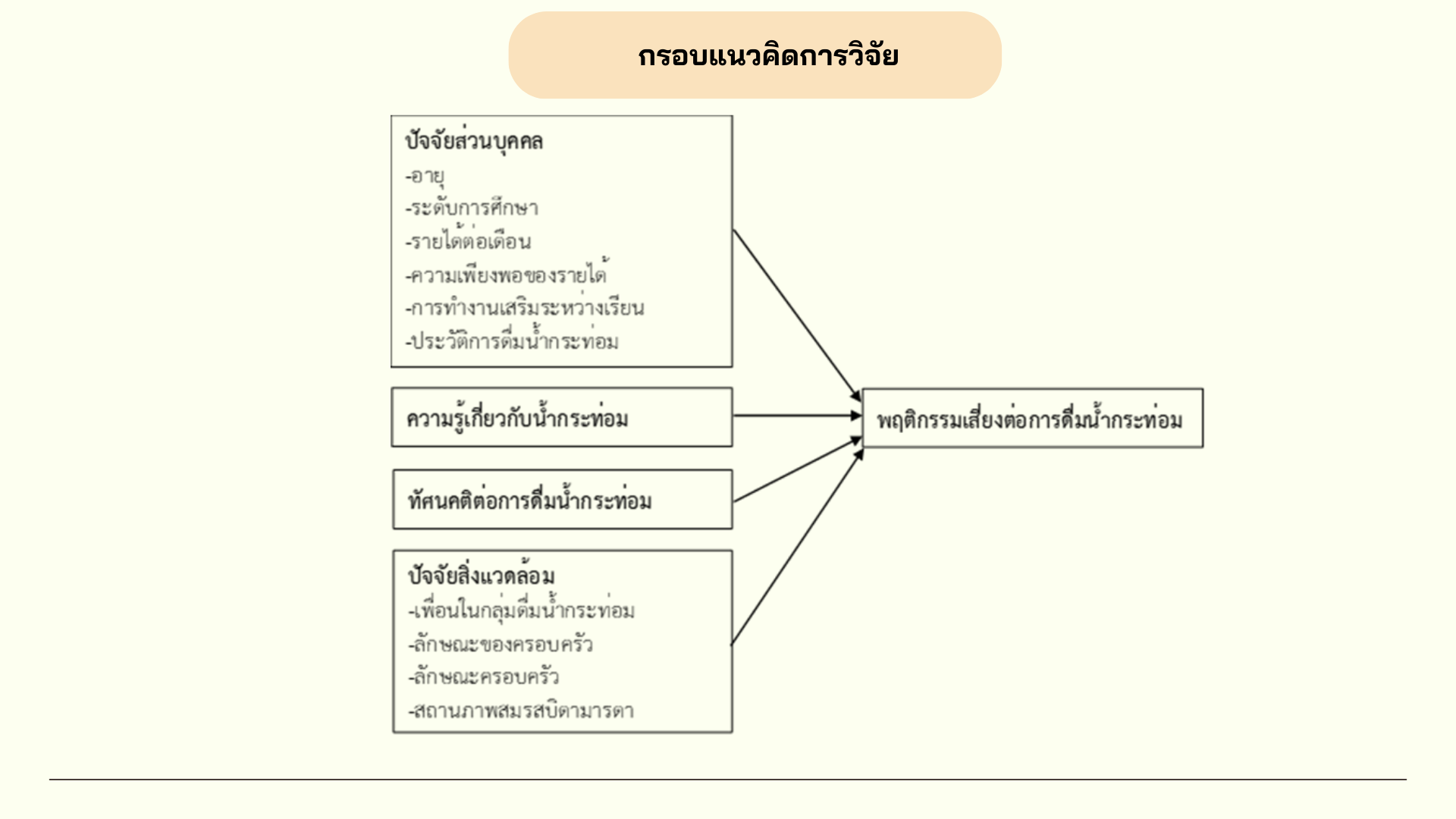
The current situation is that the young are using kratom to relax and socialize with friends. However, continuous and excessive use can lead to health problems. This descriptive research study aimed to examine the factors associated with risky behavior regarding kratom consumption among male students in their first to fourth years at a public university. The study included 359 participants and sample was selected using quota sampling to represent male students from various faculties at the Thai university. Data was collected using a personal information questionnaire, a knowledge questionnaire about kratom, an attitude questionnaire about kratom consumption, and a questionnaire on risky behavior related to kratom use. The CVI and KR-20 of the second questionnaires were 0.78 และ 0.92, respectively. The CVI and Cronbach’s alpha coefficients of the last two questionnaires were 0.79, and 0.72, and 0.83 และ 0.84, respectively. The data was analyzed using descriptive statistics and Spearman's rank correlation coefficients.
The results: The study found that the sample had an average age of 21.33 years old. Approximately 47% had consumed kratom and 15.04% worked to earn additional income. The majority (70%) had friends who consumed Kratom. Additionally, 53.70% had a high level of knowledge about Kratom, 34.67% had a moderately positive attitude towards its consumption, and 64.30% engaged a high propensity for risky behaviors associated with Kratom consumption. Factors significantly associated with moderate risky behavior related to kratom consumption included attitudes towards kratom consumption and a history of kratom use (rs = .559, rs = -.681, p < .01, respectively). Factors with lower associations included working to earn additional income, having friends who consumed kratom, and family characteristics (rs = -.139, rs = -.393, p < .01, rs = -.104, p < .05). The results of this study can be used as information for planning prevention and control measures regarding kratom consumption among students to reduce its potential physical and psychological impacts.
References
Charoenratana S, Anukul C, Aramrattan A. Attitudes towards kratom use, decriminalization and the development of a community-based kratom control mechanism in Southern Thailand. Int J Drug Policy 2021;95:103197. doi: 10.1016/j.drugpo.2021.103197.
Eastlack SC, Cornett EM, Kaye AD. Kratom-Pharmacology, Clinical Implications, and Outlook: A Comprehensive Review. Pain Ther 2020;9:55-69. doi: 10.1007/s40122-020-00151-x.
สำนักงานคณะกรรมการอาหารและยากระทรวงสาธารณสุข. กระท่อม (Kratom) [อินเตอร์เน็ต]. 2564 [เข้าถึงเมื่อ 25 มิ.ย. 2567]. เข้าถึงได้จาก: https://mnfda.fda.moph.go.th/narcotic/?p=6063
สมฤดี เอี่ยมฉลวย. ผลกระทบด้านร่างกาย จิตใจและพฤติกรรมของผู้ใช้ใบกระท่อมที่เข้ารับการบำบัดรักษาในสถานบำบัดรักษาสารเสพติด [วิทยานิพนธ์ปริญญาวิทยาศาสตรมหาบัณฑิต]. กรุงเทพฯ: จุฬาลงกรณ์มหาวิทยาลัย; 2560.
วรางคณา จันทร์คง, ปาจรีย์ ผลประเสริฐ. แนวทางการสร้างภูมิคุ้มกันและป้องกันยาเสพติดในกลุ่มเด็กและเยาวชนนอกสถานศึกษา ในจังหวัดกำแพงเพชร. วารสารกฎหมายสุขภาพและสาธารณสุข 2561;4:65-74.
มานพ คณะโต, กนิษฐา ไทยกล้า, สาวิตรี อัษณางค์กรชัย, จิตรลดา อารียสันติชัย, ศยามล เจริญรัตน์, พูนรัตน์ ลียติกุล และคณะ. รายงานผลการสำรวจครัวเรือนเพื่อคาดจำนวนประชากรผู้ใช้สารเสพติดของประเทศไทย ปี พ.ศ. 2562. กรุงเทพฯ: จรัลสนิทวงศ์การพิมพ์; 2562.
Roche DJO, Bujarski S, Green R, Hartwell EE, Leventhal AM, Ray LA. Alcohol, tobacco, and marijuana consumption is associated with increased odds of same-day substance co- and tri-use. Drug and Alcohol Dependence 2019;200:40-9. doi: 10.1016/j.drugalcdep.2019.02.035.
กิตติวงค์ สาสวด, ปรีชา ดิลกวุฒิสิทธิ์. การพัฒนารูปแบบการป้องกันการแพร่ระบาดของยาเสพติดในกลุ่มเด็กและเยาวชนในเขตพื้นที่เทศบาล อําเภอเมือง จังหวัดฉะเชิงเทรา. วารสารชุมชนวิจัย 2559;10:116-24.
ณัชฎาวรรณ รอดการทุกข์, กุลทัต หงส์ชยางกูร, พงศ์เทพ สุธีรวุฒ. กระบวนการเลิกใช้สารเสพติดก่อนเข้าสู่การเป็นสมาชิกกลุ่มที่เห็นต่างในพื้นที่ 3 จังหวัดชายแดนภาคใต้และ 4 อำเภอจังหวัดสงขลา. วารสารวิทยบริการ มหาวิทยาลัยสงขลานครินทร์ 2560;8:89-97.
Zaleski AC, Aloise-Young PA. Using peer injunctive norms to predict early adolescent cigarette smoking intentions. J Appl Soc Psychol 2013;43:E124-31. doi: 10.1111/jasp.12080.
Talek M, Cottler B, Wichaidit W, Assanangkornchai S. Patterns of Kratom use among male drug users in the deep south of Thailand. THJPH 2021;51:16-22.
วราสินธุ์ หยีอาเส็ม นิรนาท แสนสา สุขอรุณ วงษ์ทิม. ผลของการให้การปรึกษากลุ่มแบบบูรณาการเพื่อปรับเปลี่ยนเจตคติต่อการเสพน้ำกระท่อม ของนักศึกษามหาวิทยาลัยแห่งหนึ่ง. การประชุมเสนอผลงานวิจัยระดับชาติ มหาวิทยาลัยสุโขทัยธรรมาธิราช ครั้งที่ 9; 29 พฤศจิกายน 2562; มหาวิทยาลัยสุโขทัยธรรมาธิราช; 2562.
ปัณณทัต ตันธนปัญญากร, ทัศนพรรณ เวชศาสตร์, นลพรรณ ขันติกุลานนท์, ศศิวิมล จันทร์มาลี, อภิเชษฐ์ จำเนียรสุข. ความชุกและปัจจัยที่มีความสัมพันธ์กับการใช้พืชกระท่อมของประชาชนอายุ 18 ปีขึ้นไปที่อาศัยอยู่ในชุมชนบ้านกระแชง จังหวัดปทุมธานี. วารสารวิจัยและพัฒนาวไลยอลงกรณ์ในพระบรมราชูปถัมภ์สาขาวิทยาศาสตร์และเทคโนโลยี 2566;18:45-59.
วราภรณ์ มั่งคั่ง, จินตนา วัชรสินธุ์, วรรณี เดียวอิศเรศ. ปัจจัยครอบครัวที่มีผลต่อการใช้สารเสพติดของวัยรุ่นชายในศูนย์ฝึกและอบรมเด็กและเยาวชนแห่งหนึ่ง. วารสารสาธารณสุขบูรพา 2559;11:54-63.
Schwartz NE. Nutritional knowledge, attitudes, and practices of high school graduates. J Am Diet Assoc 1975;66:28-31.
Krejcie RV, Morgan DW. Determining sample size for research activities. Educ Psychol Meas 1970;30:607-10. doi: 10.1177/001316447003000308.
กิตติศักดิ์ เหมือนดาว. การทดสอบทางพฤกษเคมีของพืชกระท่อมและการแยกไมตราไจนีนจากใบกระท่อมเพื่อใช้เป็นสารมาตรฐาน และการศึกษาความเข้าใจและทัศนะของเจ้าหน้าที่ตำรวจต่อการถอดพืชกระท่อมออกจากบัญชียาเสพติดประเภทที่ 5 [วิทยานิพนธ์ปริญญาปรัชญาดุษฎีบัณฑิต]. นครปฐม: มหาวิทยาลัยศิลปากร; 2564.
Bloom BS, Madaus GF, Hastings JT. Handbook on Formative and Summative Evaluation of Student Learning. New York: McGraw-Hill; 1971.
สาวิตรี อัษณางค์กรชัย, นพพร ตันติรังสี. แบบคัดกรอง ASSIST ฉบับภาษาไทย [อินเตอร์เน็ต]. แผนงานวิชาการสารเสพติดชุมชน; 2557 [เข้าถึงเมื่อ 12 มีนาคม 2567]. เข้าถึงได้จาก: https://medipe2.psu.ac.th/tsan/wp-content/uploads/2016/09/Final-report-ASSIST.pdf
ดาริกา ใสงาม, อลัน กีเตอร์, วลัยลักษณ์ จิตพิบูลย์. ความชุกของการดื่มสุรา การใช้พืชกระท่อม และการใช้ 4X100 กรณีศึกษา: พื้นที่ตำบลน้ำพุ อำเภอบ้านนาสาร จังหวัดสุราษฎร์ธานีและวิเคราะห์ความชุกของการใช้สารเหล่านี้ของประชากรไทยจากฐานข้อมูลทุติยภูมิ. ศูนย์วิจัยปัญหาสุรา 2562; 1-16.
เจตน์สฤษฎิ์ สังขพันธ์, เก็ตถวา บุญปราการ, ชิดชนก เชิงเชาว์, อภิรักษ์จันทวงศ์, ปกรณ์ ลิ้มโยธิน. ปัจจัยที่มีอิทธิพลต่อพฤติกรรมเสี่ยงใช้สารเสพติดของเยาวชนไทยในอำเภอหาดใหญ่ จังหวัดสงขลา. วารสารศึกษาศาสตร์ มหาวิทยาลัยสงขลานครินทร์ วิทยาเขตปัตตา 2563;31:88-103.
Yothasupap A, Bunman S, Nomsin A. Kratom use and health literacy of kratom for user: A narrative review. The Bangkok Medical Journal 2024;20:42-8. doi: 10.31524/bkkmedj.2024.13.001.
ธินัฐดา พิมพ์พวง, มานพ คณะโต. ภูมิคุ้มกันยาเสพติดและสารเสพติดของนักเรียนระดับชั้นมัธยมศึกษาตอนต้นในโรงเรียนอำเภอเมือง จังหวัดปัตตานี. วารสารศึกษาศาสตร์ มหาวิทยาลัยสงขลานครินทร์วิทยาเขตปัตตานี 2559;27:136-46.
นิศาลักษณ์ รัตนะ. ความคิดอัตโนมัติในวัยรุ่นชายที่ดื่มน้ำใบกระท่อม [วิทยานิพนธ์ปริญญาวิทยาศาสตรมหาบัณฑิต]. กรุงเทพฯ: มหาวิทยาลัยมหิดล; 2560.
ศุภกิตติ์ เลขวิจิตร์, จิตติมา ดำรงวัฒนะ, พงศ์ประเสริฐ อ่อนจันทร์, บุญยิ่ง ประทุม.พฤติกรรมของเยาวชนที่เสพติดน้ำกระท่อม กรณีศึกษากลุ่มเยาวชนกลุ่มหนึ่งในจังหวัดนครศรีธรรมราช. วารสารสังคมพัฒนศาสตร์ 2563;3:16-29.
Downloads
Published
How to Cite
Issue
Section
License
Copyright (c) 2024 Boromarajonani College of Nursing Sunpasitthiprasong

This work is licensed under a Creative Commons Attribution-NonCommercial-NoDerivatives 4.0 International License.
บทความที่ได้รับการตีพิมพ์เป็นลิขสิทธิ์ของวารสารวิทยาศาสตร์สุขภาพ วิทยาลัยพยาบาลบรมราชชนนี สรรพสิทธิประสงค์ ข้อความที่ปรากฏในบทความแต่ละเรื่องเป็นความคิดเห็นส่วนตัวของผู้เขียนแต่ละท่านไม่เกี่ยวข้องกับวิทยาลัยพยาบาลบรมราชชนนี สรรพสิทธิประสงค์ และคณาจารย์ท่านอื่นๆ ในวิทยาลัยพยาบาลฯ ความรับผิดชอบเกี่ยวกับบทความแต่ละเรื่องผู้เขียนจะรับผิดชอบของตนเอง