
การศึกษาเปรียบเทียบระยะเวลาการรอคอยของผู้ป่วยที่มีสภาวะ กล้ามเนื้อหัวใจขาดเลือดผ่านค่าเอนไซม์ทางเลือดชนิดโทรโปนินไอ (การทดสอบจุดที่ต้องรักษา) และชนิดโทรโปนินที(ชนิดความไวสูง) ในผู้ป่วยที่มาห้องฉุกเฉินด้วยอาการของภาวะหัวใจขาดเลือดไม่ชัดเจน
คำสำคัญ:
Chest pain, Cardiac enzyme, Waiting timesบทคัดย่อ
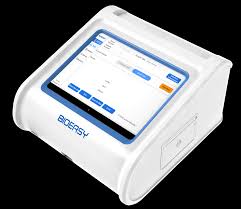
มีผู้ป่วยมารับบริการที่ห้องฉุกเฉินด้วยอาการของภาวะหัวใจขาดเลือด ซึ่งการวินิจฉัยจำเป็นต้องใช้อาการแสดงร่วมกับการเจาะเลือดตรวจทางห้องปฏิบัติการเพื่อประเมินค่า Cardiac enzyme ปัจจุบันมีเครื่องมือที่สามารถทำให้ทราบผลทางห้องปฏิบัติการได้เร็วขึ้นคือการใช้เครื่อง Point Of Care Testing (POCT) ที่อยู่ในห้องฉุกเฉิน การศึกษานี้ต้องการเปรียบเทียบระหว่าง Protocol TnI (POCT) และ Protocol TnT(Hs) โดยมีวัตถุประสงค์หลักคือระยะเวลารอคอยภายในห้องฉุกเฉินและวัตถุประสงค์รองคือการจำหน่ายผู้ป่วยออกจากห้องฉุกเฉิน งานวิจัยนี้เป็นการวิจัยเชิงทดลองแบบสุ่มและมีกลุ่มควบคุมโดยศึกษาในผู้ป่วยที่มาห้องฉุกเฉินโรงพยาบาลสระบุรี ด้วยอาการของภาวะหัวใจขาดเลือดแบบไม่ชัดเจนระหว่างวันที่ 1 กรกฎาคม 2563 ถึง 31 ธันวาคม 2563 จำนวน 80 คน สุ่มจำแนกผู้ป่วยตาม Protocol กลุ่มละ 40 คน โดยทำการเปรียบเทียบระยะเวลาตั้งแต่ผู้ป่วยมาที่ห้องฉุกเฉินได้รับการตรวจโดยแพทย์ จนถึงการส่งตรวจทางห้องปฏิบัติการครั้งแรกและระยะเวลาโดยรวมภายในห้องฉุกเฉิน รวมทั้งผลการจำหน่ายผู้ป่วยออกจากห้องฉุกเฉิน ผลการศึกษาเมื่อเปรียบเทียบการใช้ Protocol TnI (POCT) และ Protocol TnT (Hs) ให้ผลบวกไม่แตกต่างกันอย่างมีนัยสำคัญทางสถิติทั้งจุดที่ 0 และ 3 ชั่วโมง โดย P-value เท่ากับ 0.30 และ 0.18 ตามลำดับ และ ระยะเวลาการรอคอยภายในห้องฉุกเฉินไม่แตกต่างกันอย่างมีนัยสำคัญทางสถิติในกลุ่ม Troponin-I (POCT) มีช่วงระยะเวลาการรอคอยเฉลี่ย 3 ช่วงคือ ตั้งแต่ผู้ป่วยมาถึงและได้รับการตรวจโดยแพทย์ เวลาส่งตรวจทาง ห้องปฏิบัติการ และเวลาออกจากห้องฉุกเฉินเป็น ได้ผลคือ 25.2 88.8 และ 408.0 นาทีตามลำดับ ส่วนในกลุ่ม Troponin-T (Hs) ได้ผลคือ 29.4 57.6 และ 363.6 นาทีตามลำดับ โดย p-value เท่ากับ 0.15 0.94 และ 0.85 ตามลำดับ มีการจำหน่ายกลับบ้านมากกว่านอนโรงพยาบาลและพบว่าในการวินิจฉัยผู้ป่วยภาวะหัวใจขาดเลือดของทั้งสอง Protocol ไม่แตกต่างกันอย่างมีนัยสำคัญทางสถิติ โดยมี p-value เท่ากับ0.17 และ 0.24 ตามลำดับ สรุปคือการใช้ Protocol TnI (POCT) และ Protocol TnT (Hs) ในผู้ป่วยที่มาห้องฉุกเฉินที่สงสัยภาวะ หัวใจขาดเลือด โดยมีอาการแบบไม่ชัดเจนพบว่าไม่มีความแตกต่างกันอย่างมีนัยสำคัญทางสถิติทั้งในด้านระยะเวลาการรอคอยของผู้ป่วยและการจำหน่ายออกจากห้องฉุกเฉิน
เอกสารอ้างอิง
Herren KR, Mackway-Jones K. Emergency manangement of cardiac chest pain: A review. Emerg Med J. 2001;18(1):6–10.
Hjortshøj S, Venge P, Ravkilde J. Clinical performance of a new point-of-care cardiac troponin I assay compared to three laboratory troponin assays. Clin Chim Acta. 2011;412(3–4):370–5.
Juliano M, Wason C. Comparison of Point-of-Care Versus Laboratory Troponin Testing in an Emergency Department Setting. Mil Med. 2017;182(7):e1938–40.
Chapman AR, Stewart S, Mills NL. Contemporary point of care cardiac troponin testing in suspected acute coronary syndrome. Heart. 2019;105(10):740–1.
Bingisser R, Cairns C, Christ M, Hausfater P, Lindahl B, Mair J, et al. Cardiac troponin: A critical review of the case for point-of-care testing in the ED. Am J Emerg Med. 2012;30(8):1639–49.
Denis AB, Pose A, Quinteros S. Point of care in Clinicas Hospital, Uruguay: 10 years experience. Clin Chim Acta. 2019;493:S643.
Amsterdam EA, Kirk JD, Bluemke DA, Diercks D, Farkouh ME, Garvey JL, et al. Testing of low-risk patients presenting to the emergency department with chest pain: A scientific statement from the American Heart Association. Circulation. 2010;122(17):1756–76.
Than M, Cullen L, Aldous S, Parsonage WA, Reid CM, Greenslade J, et al. 2-Hour accelerated diagnostic protocol to assess patients with chest pain symptoms using contemporary troponins as the only biomarker: The ADAPT trial. J Am Coll Cardiol . 2012;59(23):2091–8.
Than M, Cullen L, Reid CM, Lim SH, Aldous S, Ardagh MW, et al. A 2-h diagnostic protocol to assess patients with chest pain symptoms in the Asia-Pacific region (ASPECT): A prospective observational validation study. Lancet. 2011;377(9771):1077–84.
Cullen L, Greenslade JH, Hawkins T, Hammett C, O’Kane S, Ryan K, et al. Improved assessment of chest pain trial (IMPACT): Assessing patients with possible acute coronary syndromes. Med J Aust. 2017;207(5):195–200.
Nowak RM, Christenson RH, Jacobsen G, McCord J, Apple FS, Singer AJ, et al. Performance of Novel High-Sensitivity Cardiac Troponin I Assays for 0/1-Hour and 0/2- to 3-Hour Evaluations for Acute Myocardial Infarction: Results From the HIGH-US Study. Ann Emerg Med . 2020;1–13.
Ojeda F, Neumann JT, So NA, Blankenberg S, Westermann D. Early diagnosis of acute myocardial infarction using high-sensitivity troponin I. 2017;1–10.
Kendall J, Reeves B, Clancy M. Point-of-care testing: a randomized controlled trial of clinical outcome. BMJ. 1998; 316:1052-7.
DeVon HA, Mirzaei S, Zègre-Hemsey J. Typical and Atypical Symptoms of Acute Coronary Syndrome: Time to Retire the Terms? J Am Heart Assoc. 2020;9(7):e015539.
ดาวน์โหลด
เผยแพร่แล้ว
รูปแบบการอ้างอิง
ฉบับ
ประเภทบทความ
สัญญาอนุญาต
ลิขสิทธิ์ (c) 2022 ธัญสุดา อรรถวิน

อนุญาตภายใต้เงื่อนไข Creative Commons Attribution-NonCommercial-NoDerivatives 4.0 International License.
Journal of TCI is licensed under a Creative Commons Attribution-NonCommercial-NoDerivatives 4.0 International (CC BY-NC-ND 4.0) licence, unless otherwise stated. Please read our Policies page for more information.



