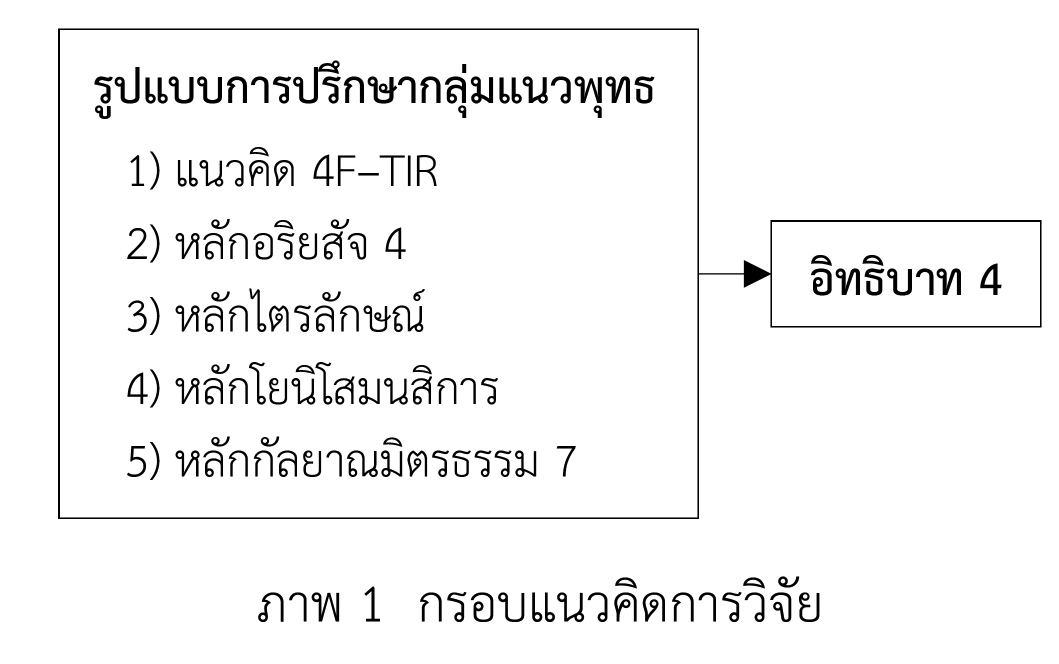
ผลของรูปแบบการปรึกษากลุ่มแนวพุทธเพื่อเสริมสร้างอิทธิบาท 4 ของนักศึกษาพยาบาลตำรวจ
คำสำคัญ:
อิทธิบาท 4, การปรึกษากลุ่มแนวพุทธ, นักศึกษาพยาบาลบทคัดย่อ
การวิจัยกึ่งทดลองนี้มีวัตถุประสงค์ 1) เพื่อเปรียบเทียบผลของการปรึกษากลุ่มแนวพุทธต่ออิทธิบาท 4 ของนักศึกษาพยาบาลตำรวจ ระหว่างกลุ่มทดลองและกลุ่มควบคุม และ 2) เพื่อเปรียบเทียบผลของการปรึกษากลุ่มแนวพุทธต่ออิทธิบาท 4 ของนักศึกษาพยาบาลตำรวจในกลุ่มทดลองระหว่างก่อนการทดลอง หลังการทดลอง ระยะติดตามผล 1 เดือน และ 4 เดือน ตัวอย่าง คือ นักศึกษาพยาบาลตำรวจ ชั้นปีที่ 3 ปีการศึกษา 2564 จำนวน 32 คน แบ่งเป็นกลุ่มทดลองและกลุ่มควบคุม กลุ่มละ 16 คน เครื่องมือที่ใช้ในการทดลอง คือ รูปแบบการปรึกษา
กลุ่มแนวพุทธ เครื่องมือที่ใช้ในการเก็บรวบรวมข้อมูล คือ แบบวัดอิทธิบาท 4 ซึ่งมีความเที่ยงตรงจากการตรวจสอบโดยผู้เชี่ยวชาญ 5 คน ได้ค่าดัชนีความตรงเชิงเนื้อหาเท่ากับ .94 และผ่านการตรวจสอบความเชื่อมั่น มีค่าสัมประสิทธิ์แอลฟาของครอนบาคเท่ากับ .93 วิเคราะห์ข้อมูลข้อมูลด้วยสถิติเชิงพรรณนาและการวิเคราะห์ความแปรปรวนแบบวัดซ้ำ (Repeated ANOVA)
ผลการวิจัยพบว่า
1. หลังการทดลองกลุ่มทดลองที่ได้รับรูปแบบการปรึกษากลุ่มแนวพุทธมีค่าเฉลี่ยอิทธิบาท 4 สูงกว่ากลุ่มควบคุมที่ได้รับการจัดการเรียนการสอนตามปกติ อย่างมีนัยสำคัญทางสถิติที่ระดับ .05
2. กลุ่มทดลองที่ได้รับรูปแบบการปรึกษากลุ่มแนวพุทธ หลังสิ้นสุดการทดลอง ระยะติดตามผล 1 เดือน และ4 เดือน มีค่าเฉลี่ยอิทธิบาท 4 สูงกว่าก่อนการทดลอง อย่างมีนัยสำคัญทางสถิติที่ระดับ .05 (M = 3.45, M = 3.36, M = 3.49 และ M = 3.09 ตามลำดับ; F (1.877, 28.159) = 10.285, p = .001)
ดังนั้น ควรนำรูปแบบการปรึกษากลุ่มแนวพุทธไปใช้ในการพัฒนาอิทธิบาท 4 ให้กับนักศึกษาพยาบาล เพื่อให้นักศึกษาพยาบาลสามารถปรับตัวและจัดการกับความเครียดในการเรียนและการใช้ชีวิตได้ด้วยตนเอง
Downloads
เอกสารอ้างอิง
Bundasak, T., Chaowiang, K., Jungasem, N., Rojana, S., & Thainkumsri, K. (2017). Affecting factors on nursing students anxiety while practicing in intensive care unit. Journal Prapokklao Hospital Clinic Medical Education Center, 34(1), 6-16.
Changrangkarn (Phrapalad Anon). (2021). The development of psychological well-being of registered nurses through Buddhist group counseling (Dissertation of counseling psychology). Faculty of Education, Burapha University, Chonburi.
Chiangkuntod, S. (2019). The development of stress management program following Buddhist psychology for nursing students at faculty of nursing, Siam university. Journal of Graduate Studies Review, 15(1), 184-195.
Corey, G. (2012). Theory and practice of group counseling (8th ed.). Canada: Nelson Education.
Gupta, K. K., Attri, J. P., Singh, A., Kaur, H., & Kaur, G. (2016). Basic concepts for sample size calculation: Critical step for any clinical trials! Saudi. Journal of Anesthesia, 10, 328-331.
Jaroonjaruwutthana, O., Kuttasilo, D., Chanreang, T., & Khotsup, P. (2016). An integration of the principle of fourfold Iddhipada with the teaching methodology in non-formal and informal education of Haiya sub-district, Muang district, Chiang Mai province. Journal of Graduate Research, 7(2), 183-194.
Mokekhaow, K., Sukrapat, W., & Promla, W. (2021). Factors related to stress of nursing students. Journal of Nursing Science & Health, 44(2), 60-71.
Mukdee, S., Srikhruedong, S., & Kongsuriyanawin, W. (2017). Development of a self-regulation program based on the concept of Buddhist psychology for nursing students at Kuakarun Faculty of Nursing, Navamindradhiraj University. Journal of The Royal Thai Army Nurses, 18(1), 46-55.
Patipatwutikul, W. (2012). The effect of Buddhist personal growth and counseling group on personal growth initiative and coping of high school students (Master of education, counseling psychology). Faculty of Psychology, Chulalongkorn University, Bangkok.
Payutto (Phra Brahmagunabhorn). (2005). Dictionary of Buddhism (13th ed.). Nonthaburi: S.R. Printing-mass product.
Peuchthonglang, P., Punnadharo, B., & Panyo, A. (2008). The processes and skills of Buddhist psychology counseling. Journal of Philosophy and Religion, 14(1), 1-31.
Phoyen, K. (2021). Counseling psychology: The important instrument for solving student’s problem. Journal of Education Silpakorn University, 19(2), 11-27.
Pokeao, S. (2022). An application of the four nobles truths to counselling process for developing, treating, and healing: Concepts, ways, experience and research. Samut Sakhon: Pimdee.
Srirattanawongse, S., & Silasutho, K. (2018). Buddhist counseling. Journal of MCU Humannities Review, 4(2), 1-12.
Suwannapha, B. (2008). Research report, the story of right view of students at Nakhon Ratchasima Rajabhat university After joining the Buddhist psychological counseling group. Nakhon Ratchasima: Nakhon Ratchasima Rajabhat University.
Tantiwat, S. (2017). The integration of Buddhist principles in student counseling for sustainable development. Mahachula Academic Journal, 4(2), 170-184.
Tantranont, K., Supavititpatana, B., Sriarporn, P., Ragsakun, N., Suankaew, S., & Dhatsuwan, J. (2022). Effectiveness of Sammathithi development program on stress level among nursing students. Journal of The Royal Thai Army Nurses, 23(2), 129-137.
Tonpaibool, C. (2019). Effects of the Buddhist personal growth and counseling group on psychological well–being of Sisaket Rajabhat university students. Sisaket Rajabhat University Journal, 13(1), 126-135.
UNICEF Thailand. (2021). COVID-19 pandemic continues to drive poor mental health among children and young people. Retrieved from https://www.unicef.org/thailand/press-releases/covid-19-pandemic-continues-drive-poor-mental-health-among-children-and-young-people
ดาวน์โหลด
เผยแพร่แล้ว
รูปแบบการอ้างอิง
ฉบับ
ประเภทบทความ
สัญญาอนุญาต
ลิขสิทธิ์ (c) 2023 วารสารพยาบาลตำรวจ

อนุญาตภายใต้เงื่อนไข Creative Commons Attribution-NonCommercial-NoDerivatives 4.0 International License.
ผลงานที่ได้ตีพิมพ์แล้วจะเป็นลิขสิทธิ์ของวารสารพยาบาลตำรวจ